European Biochar & Bioenergy Congress
Home > Find a conference > European Biochar & Bioenergy Congress
European Biochar & Bioenergy Congress
Advancing Biochar, Bioenergy & Carbon-Negative Solutions for a Sustainable Future
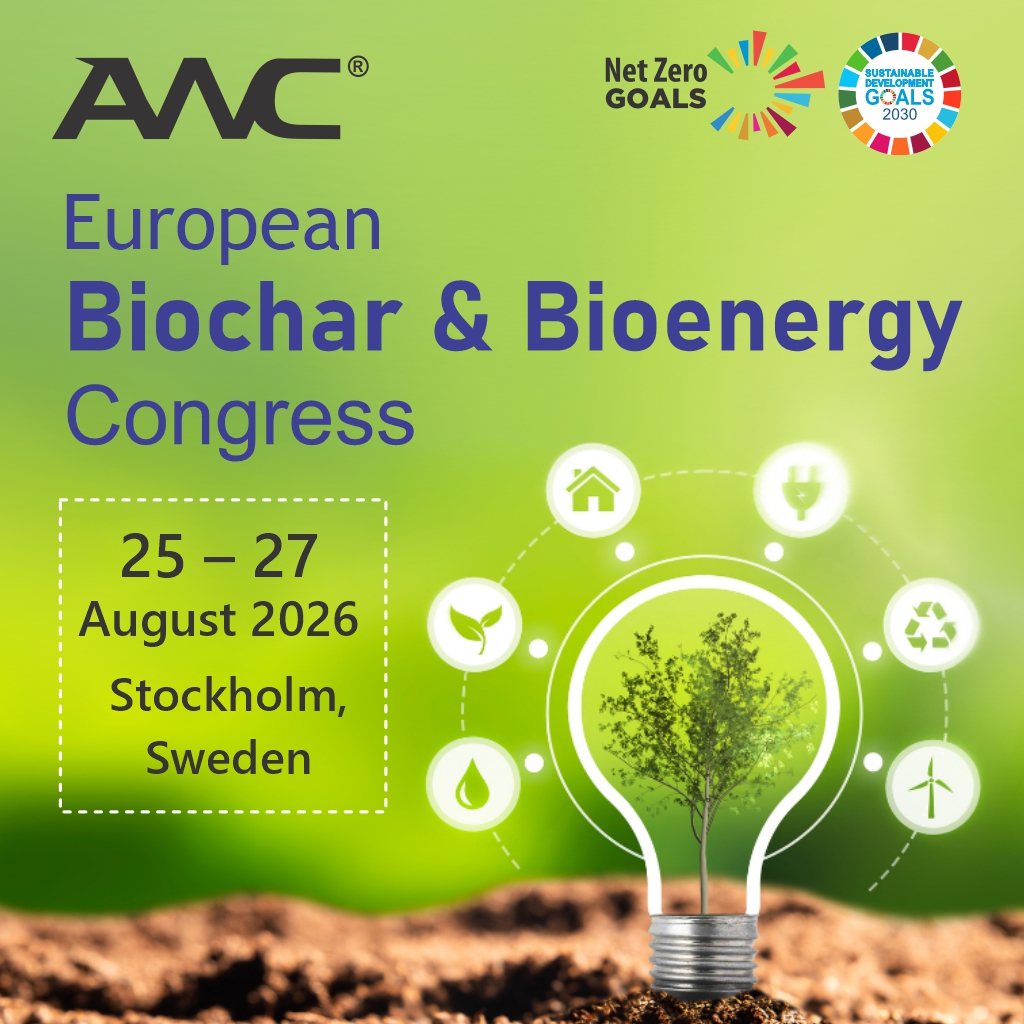
25-27 August 2026│ Stockholm, Sweden
The European Biochar & Bioenergy Congress (EBBEC 2026) is a leading international forum dedicated to advances in biochar science, bioenergy technologies, and carbon-negative solutions across the sustainable biomass value chain. The congress brings together researchers, engineers, industry leaders, policymakers, and sustainability stakeholders to exchange knowledge, present cutting-edge research, and discuss emerging trends shaping the future of bioenergy, carbon sequestration, and circular bioeconomy systems.
EBBEC 2026 covers fundamental and applied aspects of biochar and bioenergy, spanning biomass conversion technologies, pyrolysis and gasification, bioenergy production, carbon capture and storage, soil and environmental applications, and industrial deployment. With a strong emphasis on real-world implementation, the congress serves as a platform for interdisciplinary collaboration and for translating biochar and bioenergy innovations into scalable, climate-positive, and economically viable solutions supporting net-zero and negative-emission goals.
Conference Theme
Advancing Biochar, Bioenergy & Carbon-Negative Solutions for a Sustainable Future
The conference theme highlights the critical role of biochar and bioenergy in climate mitigation, sustainable land use, renewable energy generation, and long-term carbon sequestration. EBBEC 2026 focuses on next-generation biomass conversion pathways, advanced biochar materials, integrated bioenergy systems, life-cycle assessment, and policy-driven deployment strategies that are shaping the future of carbon-negative technologies and resilient, sustainable energy systems.
Subject Areas
The European Biochar & Bioenergy Congress will cover, but is not limited to, the following subject areas:
- Biochar production technologies (pyrolysis, gasification, hydrothermal carbonization)
- Biomass conversion and thermochemical processes for bioenergy
- Feedstock selection, pretreatment, and biomass sustainability
- Biochar properties, characterization, and quality standards
- Biochar for carbon sequestration and negative-emission technologies
- Biochar applications in agriculture, soil health, and food security
- Biochar for environmental remediation (water, soil, and air purification)
- Bioenergy systems (biogas, syngas, bio-oil, and biofuels)
- Biochar–bioenergy integration and circular bioeconomy models
- Carbon capture, utilization, and storage (CCUS) using biochar-based systems
- Biochar in construction materials, composites, and industrial products
- Life-cycle assessment (LCA) and techno-economic analysis of biochar and bioenergy systems
- Policy frameworks, standards, certification, and carbon markets for biochar
- Scaling-up, pilot plants, and industrial deployment of biochar technologies
- Digitalization, modeling, AI, and data-driven optimization in bioenergy systems
- Biochar for climate-smart agriculture and land restoration
- Waste-to-energy and waste-to-biochar technologies
- Biochar and bioenergy contributions to net-zero and climate-neutral strategies
- Investment, commercialization, and global collaboration in biochar and bioenergy sectors
Conference deadlines
Abstract Submission: 31st July 2026
Early-bird Registration Deadline: 12 December 2025
Registration Deadline: 24 July 2026
Full Paper Submission for Indexed Publications: 02 October 2026
Conference Highlights
- Plenary and keynote lectures by internationally recognized leaders in biochar science, bioenergy systems, and carbon-negative technologies
- Thematic technical sessions covering biochar production, biomass conversion, thermochemical processes, and integrated bioenergy systems
- Oral and poster presentation sessions enabling high-level scientific exchange and interdisciplinary networking across academia, industry, and policy
- Biochar and carbon-negative technology sessions addressing carbon sequestration, climate mitigation, soil carbon enhancement, and negative-emission pathways
- Bioenergy systems and circular bioeconomy sessions focusing on biogas, syngas, biofuels, waste-to-energy, and resource circularity
- Industry-focused sessions and technology showcases highlighting pilot projects, scale-up strategies, commercialization pathways, and industrial deployment
- Policy, sustainability, and carbon market sessions discussing standards, certification, life-cycle assessment, and climate policy frameworks
- IAAM Fellow Assembly Sessions featuring strategic discussions on emerging biochar and bioenergy technologies, global collaboration, and future research roadmaps
- Young Researcher Forum and early-career sessions supporting the next generation of researchers, innovators, and entrepreneurs in biochar and bioenergy
- Awards and recognition lectures honoring outstanding contributions to biochar research, bioenergy innovation, and sustainable climate solutions
Our UNSDGs Commitments
In alignment with the United Nations Sustainable Development Goals (UNSDGs), the European Biochar & Bioenergy Congress (EBBC) is committed to advancing carbon-negative solutions, responsible bioresource utilization, and sustainable energy innovation through the following goals:
-
Goal 7 – Affordable and Clean Energy:
Promoting sustainable bioenergy pathways—including biomass conversion, waste-to-energy, and integrated bioenergy systems— to support clean, reliable, and resilient energy supply. -
Goal 9 – Industry, Innovation and Infrastructure:
Advancing scalable biochar production, bioenergy technologies, and carbon-negative industrial solutions that strengthen innovation ecosystems and enable climate-smart infrastructure. -
Goal 12 – Responsible Consumption and Production:
Supporting circular bioeconomy models through sustainable feedstock sourcing, resource-efficient conversion, valorization of residues, and responsible production practices across the biochar and bioenergy value chain. -
Goal 13 – Climate Action:
Enabling measurable climate mitigation through carbon sequestration in biochar, emissions reduction in bioenergy systems, and life-cycle-driven strategies aligned with net-zero and carbon-negative targets. -
Goal 15 – Life on Land:
Strengthening soil health, land restoration, and sustainable agriculture through biochar-based soil amendments, improved nutrient cycling, and climate-resilient land management practices. -
Goal 17 – Partnerships for the Goals:
Fostering international collaboration between academia, industry, policymakers, and communities to accelerate biochar adoption, bioenergy deployment, standards development, and global knowledge exchange for sustainable impact.
Publications
All abstracts and proceedings will be published online in the official Conference Proceedings Selected full papers will be peer-reviewed and published in reputed international journals indexed by Scopus and Web of Science (SCI) Opportunity for special issues in journals dedicated to advanced energy materials.
Congress Proceedings
The abstracts of presentations (short congress papers, maximum 2 pages including references) will be published after peer-review with an ISBN and DOI. Proceedings formatted with Introduction, Experiments, Results & Discussion, and Conclusion sections, limited to 4 pages, will be published in conference proceedings after the peer review process and will be submitted for indexing in Scopus.
Congress Journal
Full articles of congress presentations will be published in open-access special issues of the official journals of the International Association of Advanced Materials, Advanced Materials Letters, and Advanced Materials Proceedings, following the peer review process without any subscription or processing fee. Authors should carefully follow the Author Guidelines of respective journal when preparing their manuscripts and submit them using the Online Submission System. The deadline for full paper submission is 02 October 2026.
Congress Reports
Since 2011, the Advanced Materials Congress has held over 60 assemblies across Asia, Europe, the USA, and Australia.
2011 to 2015
The Advanced Materials Congress hosted four assemblies in China, India, Turkey, and Sweden between 2011 and 2015.
View More
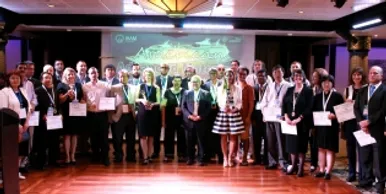
2016
In 2016, the Advanced Materials Congress hosted three separate assemblies in India, Sweden, and the USA.
View More
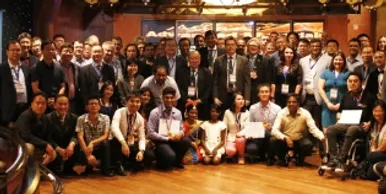
2017
In 2017, four Advanced Materials Congress assemblies were held in India, Singapore, and Sweden.
View More
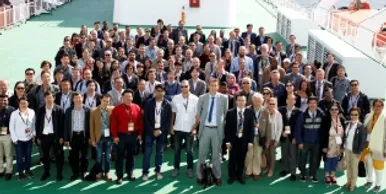
2018
In 2018, nine assemblies of the Advanced Materials Congress were held in Sweden and Singapore.
View More